
As the seasons change and the weather warms up, you might notice your pet scratching, chewing or licking more than usual. Dogs and cats experience environmental allergic reactions differently from humans, mainly through their skin. Tired of the scratching? Pet seasonal allergies are incredibly common, but there are proven ways to soothe your pet’s discomfort.
Here is a practical guide to understanding and easing your pet’s seasonal allergies.
What causes pet seasonal allergies?
Seasonal allergies occur when everyday environmental factors like grass, trees, or pollen trigger an allergic reaction in your pet. When their skin’s natural barrier is weak, these tiny irritants slip straight through, causing sudden itching and discomfort.
Common environmental triggers include:
- Tree, grass and weed pollen: Peaks during the spring and summer months.
- Mould spores: Thrive in damp outdoor and indoor spaces.
- Dust and storage mites: Remain present in the home year-round.
Without proper management, pet seasonal allergies can progressively worsen, turning brief seasonal irritation into a frustrating, year-round challenge.
Spotting the signs: dogs vs cats
Dogs and cats don’t show allergy symptoms the same way. Knowing what signs to look for allows you to step in early and keep your pet comfortable this season.
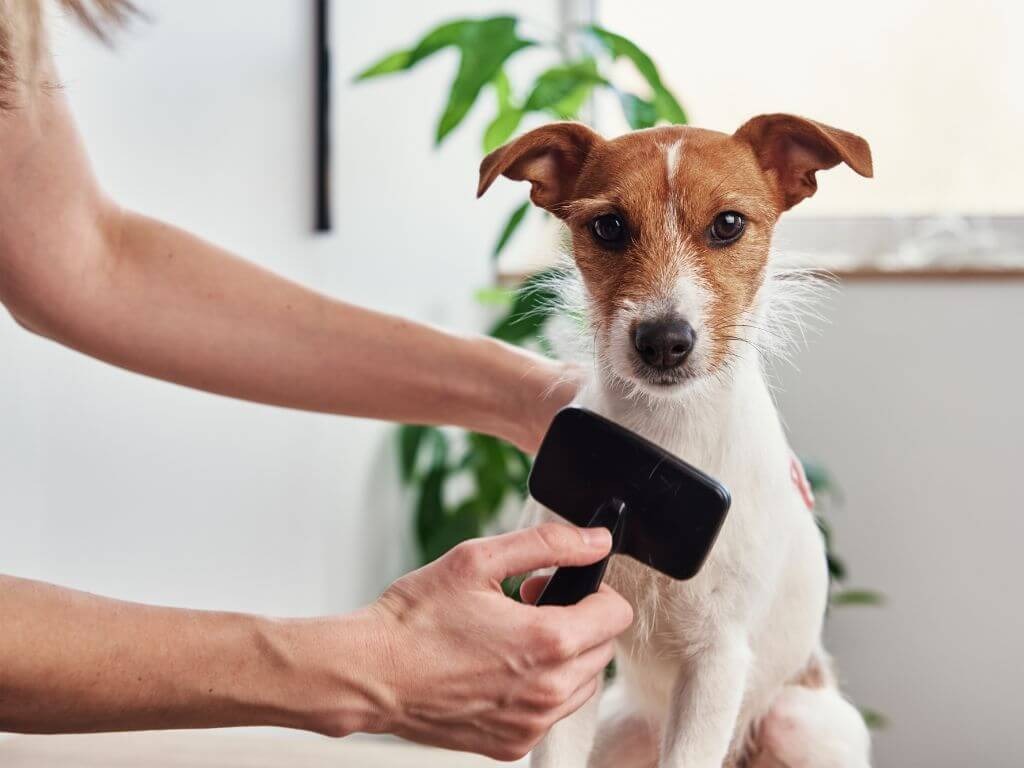
Key signs in dogs:
- Excessive licking (especially the paws and between the toes)
- Chewing, scratching and gnawing at the skin
- Head shaking, pawing at the face, and recurrent ear infections
- Red, moist, or thickened (“elephant-like”) skin

Key signs in cats:
- Over-grooming and excessive scratching
- Hair loss (often along the back, neck, groin and base of the tail)
- Scabs, crusts, or irritated red patches
- Ear infections and inflamed, thickened ear flaps
Managing pet seasonal allergies
While there is no permanent cure for seasonal allergies, a few simple changes to your daily routine can relieve your pet’s discomfort and break the itch-scratch cycle
Minimise allergen contact
After outdoor walks, wipe down your pet’s paws, belly and coat with a damp cloth to remove trapped pollen. Regular bathing with a soothing, pet-safe medicated shampoo helps wash away surface allergens before they pass through the skin barrier.
Maintain strict flea prevention
Flea bites amplify itchiness in pets. Ensuring all household animals remain on a strict, year-round flea preventative stops flea saliva from worsening existing allergic reactions.
Support the skin barrier through nutrition
Proper nutrition helps repair a damaged skin barrier from within. Essential fatty acids like omega 3 and omega 6 ease itchiness and promote skin health. With the AVI factory speed advantage, our food moves quickly from production to your pet’s bowl to lock in delicate nutrient freshness, giving your pet’s immune system the strength to handle environmental stressors.
When to Seek Professional Veterinary Care
While simple habits can soothe minor itching, tougher allergies need a vet’s attention. Reach out to your doctor right away if your pet is up all night scratching or showing signs of oozing sores and unusual coat odours. Once the skin barrier breaks down, infections set in fast and need targeted prescription treatments to heal.
Your vet can conduct diagnostic tests to identify specific triggers and build a customised treatment plan. Modern medicine offers highly effective, targeted options, including daily oral medications, long-acting biological injections, and custom allergen therapies
Taking control of pet seasonal allergies
Managing pet seasonal allergies can feel like a constant battle. When you build a strong defence using simple home habits like post-walk wipes, your vet’s expert guidance, and ultra-fresh AVI food loaded with skin-nourishing nutrients, you tackle the problem from the inside out. Stop letting allergy season steal your peace and quiet. Together, you can silence the scratching, protect their coat, and get your best friend back to enjoying sunny days and peaceful, restful nights.
Follow us on Facebook or Instagram for more pet care and nutrition facts and stories from the communities we support.