We often brush off a dull, dry, or itchy exterior as a minor seasonal nuisance. In reality, your pet’s skin is a highly sensitive organ that reflects their overall well-being. When a dog or cat starts scratching frequently or loses their natural shine, it is time to evaluate their environment and diet – keeping in mind that a vet should always assess ongoing issues to rule out medical conditions. Identifying the everyday triggers behind the flaking and itching helps you take proactive steps to maintain their healthy skin and coat all year round.
What a healthy skin and coat should look and feel like
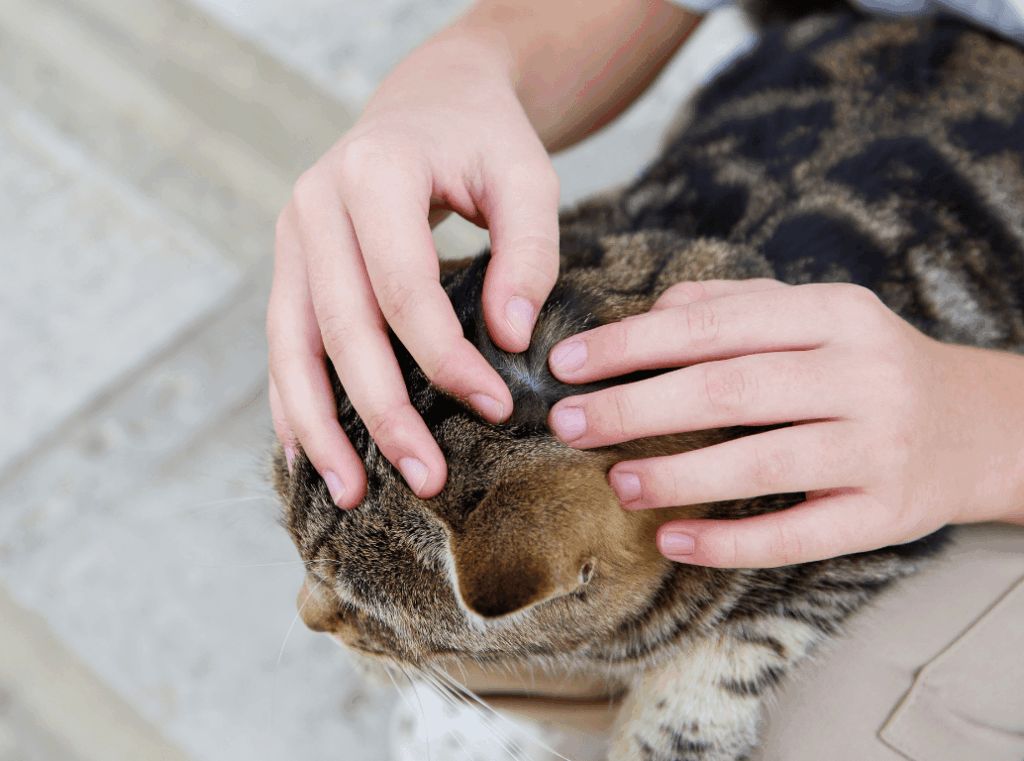
Before you can address dryness or itching, you need a reliable baseline. The easiest way to assess your dog or cat is through the “hand test”. Your hand should come away clean when you run your palm along their back from head to tail. A greasy or oily residue points to an overproduction of sebum, which often signals an internal imbalance.
Next, part the fur to examine the surface underneath. A clear, supple base is the foundation of a healthy skin and coat. You shouldn’t see any redness, scabs, or white flakes. The underlying tissue must feel smooth and well-hydrated.
Finally, pay attention to their scent. While pets carry natural odours, a strong, musty, or yeasty smell frequently indicates bacterial buildup or irritation. A neutral scent, paired with a smooth texture and a clear base, confirms their skin and fur are well-balanced.

Factors that affect skin and coat health
When the seasons change, your pet’s skin often feels the impact. As we head into the colder months in South Africa, the dry winter air and indoor heating can strip away natural moisture. This makes it much harder to maintain a healthy skin and coat.
Beyond the weather, your dog or cat’s daily routine plays a big part in how they look and feel. Bathing them too often washes away the essential oils that protect their skin, while skipping regular brushing leaves loose hair trapped against their body, preventing airflow. To better understand what is normal when it comes to seasonal hair loss, read our blog post about shedding.
Even simple external irritants like dust or pollen can cause sudden itching. Additionally, stress from a busy or changing household can take a physical toll on your pet, often showing up as dullness or flaking.
Skin nutrition explained simply: Fats, proteins, vitamins, and minerals
As the body’s largest organ, your pet’s skin requires a significant amount of daily nourishment. A dog or cat uses up to 30% of their daily protein intake purely for cell renewal and hair growth. Providing highly digestible protein is essential for building a healthy skin and coat.
Beyond protein, natural fats serve as an internal moisturiser. Omega 3 and 6 fatty acids create a protective barrier that locks in hydration, soothes irritation, and gives the fur a vibrant shine. These essential fats are vital for preventing dry flakes when the temperature drops.
Finally, trace minerals and vitamins play a practical role in maintaining this barrier. Zinc, for example, strengthens the skin’s defence system and helps it recover from minor scratches or environmental flare-ups.
Knowing exactly what goes into your pet’s bowl gives you better control over their daily comfort. To learn more about identifying these specific nutrients, read our blog post about how to spot quality cat and dog food ingredients.

Building a routine that works through every season
Consistent, everyday habits are your best defence against seasonal flare-ups. Regular grooming does more than just remove trapped hair; brushing your dog or cat a few times a week actively distributes their natural oils across their body. This simple step supports a naturally healthy skin and coat while giving you the opportunity to spot new dry patches or external parasites.
When it comes to washing, less is usually more. Because frequent baths strip away the skin’s protective barrier, limit bath time to when your pet is visibly dirty or smells unpleasant. When a wash is necessary, always use a mild, pet-specific shampoo to prevent irritation.
Finally, prioritise daily hydration. Water is critical for maintaining skin elasticity, but cats in particular are notoriously picky drinkers. You can encourage better water intake by placing multiple fresh bowls around the house or adding a splash of warm water to their dry food during the colder winter months.

Choosing the right food for ongoing skin support
Providing the right daily nutrition is the most effective way to manage your pet’s physical comfort. At AVI Products, our farm-to-bowl approach ensures your dog or cat receives the highly digestible protein necessary for constant cell renewal. By operating with a strict 12-hour rendering window, we preserve the biological value of our fresh ingredients. This means your pet’s body works less to absorb the essential building blocks their skin demands.
Alongside this, our expertly formulated recipes for both dogs and cats incorporate carefully selected nutrients that support skin health from within. By including a precise balance of natural fats, our formulas actively lock in moisture and help prevent seasonal dryness from taking hold. Every pet food brand under AVI Products delivers the targeted, high-quality nutrients your pet needs to maintain naturally healthy skin and coat year-round.
Keeping the itch away and the flakes at bay is an ongoing process. Once you establish a strong nutritional baseline and a consistent grooming habit, maintaining their overall skin health becomes much easier. Connect with AVI Products on Facebook or Instagram to share your pet’s progress and discover more seasonal care tips.