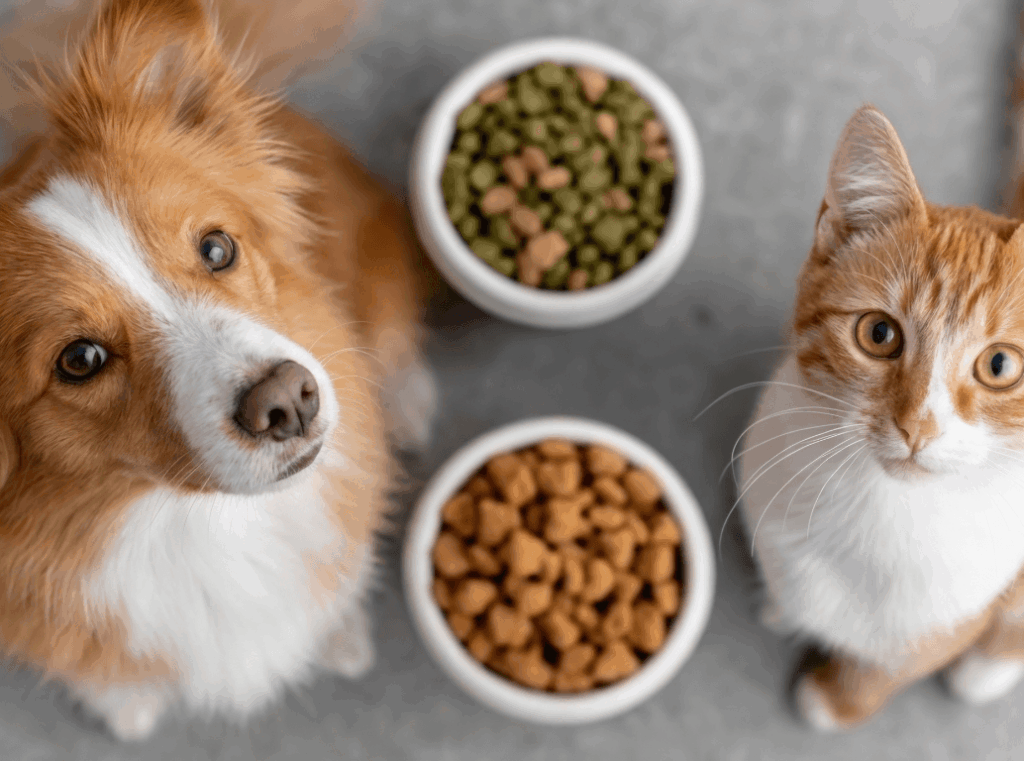
Dealing with digestive upsets is a messy reality for many pet parents. When a dog has a sensitive stomach or a cat frequently experiences digestive issues, it often points to an environmental or dietary change – though you should always consult a vet to rule out underlying medical conditions. Understanding the root causes of these flare-ups helps you provide relief, restore their gut health, and prevent future discomfort.
4 common causes of a sensitive stomach in a dog or cat
Digestive issues rarely happen without a catalyst. If your pet is experiencing loose stools, vomiting, or a sudden loss of appetite, evaluate these four common triggers.
1. Sudden food changes
Whether your local store ran out of their usual brand or you decided to treat them to a new recipe, suddenly switching your pet’s kibble is a common trigger for tummy troubles. The digestive systems of cats and dogs rely on consistency. An abrupt change shocks their gut microbiome, leaving their natural bacteria unable to break down the new ingredients properly. This disruption often results in immediate digestive distress.
2. Low-quality protein
Protein quality directly impacts digestion through a metric called biological value. Heavily processed or low-quality proteins have a lower biological value, meaning your pet’s digestive tract must work harder to extract the necessary nutrients. This extra strain irritates the intestinal lining. Fresh, highly digestible proteins are essential for a calm gut.
3. Stress and anxiety
The gut-brain axis is a powerful connection in pets. A dog can easily develop a sensitive stomach following a stressful event like a severe thunderstorm, a move to a new house, or a change in the family routine. Cats are highly susceptible to environmental stress, often manifesting anxiety through a sudden refusal to eat or litter box changes. Interestingly, stress-induced digestive issues often feature a 72-hour lag. If your pet shows symptoms today, consider what happened two or three days ago.
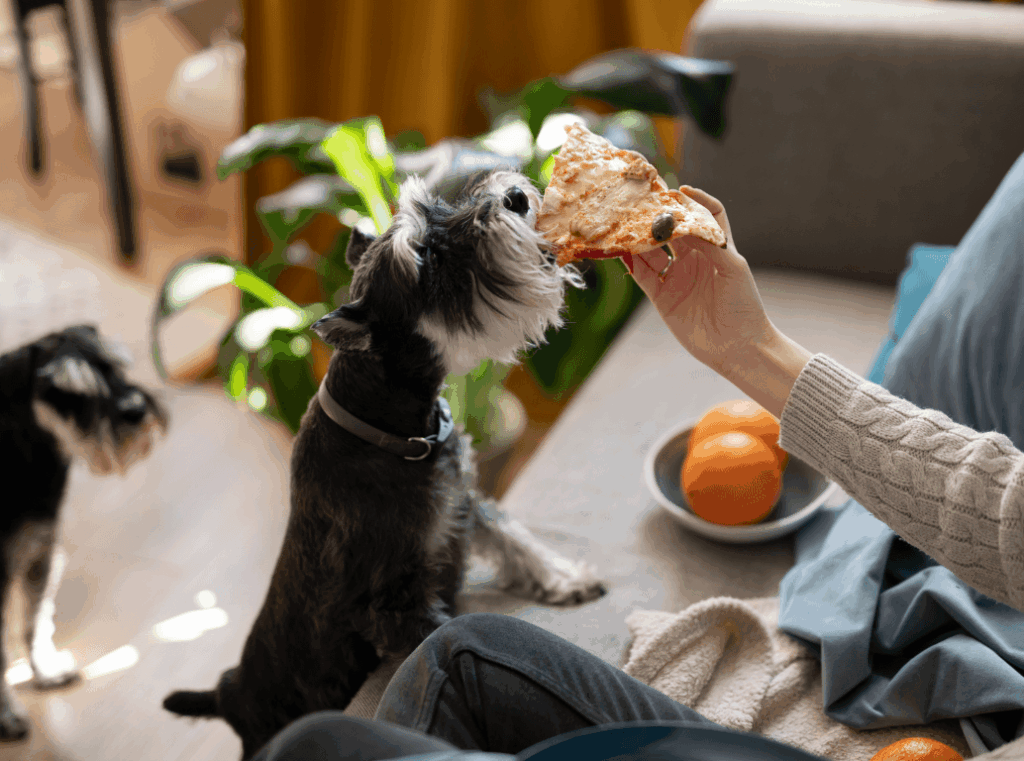
4. Overfeeding and table scraps
Extra calories and human foods overwhelm a pet’s digestive system. A sudden influx of rich treats or fatty table scraps disrupts the carefully balanced gut flora. Stick to measured portions of their regular, formulated food to prevent these dietary flare-ups.

The science of digestion: Gut flora explained
Your pet’s digestive system relies on a complex network of beneficial bacteria, commonly known as gut flora. These good bacteria have two main jobs: breaking down meals to extract essential nutrients and protecting the intestines from harmful bugs. When a dog or cat develops a sensitive stomach or experiences sudden digestive distress, it usually means this bacterial balance is disrupted. Restoring their gut health requires consistent feeding routines and high-quality, easily digestible food to help the good bacteria recover.

How to transition your pet’s food properly
Upgrading your pet’s diet requires a gradual, measured approach.
A 7-day transition plan for dogs
The best way to protect your dog from a sensitive stomach during a food switch is to follow a seven-day transition plan. Follow this simple ratio to keep their gut bacteria stable:
- Days 1 and 2: Mix 25% of the new food with 75% of the old food.
- Days 3 and 4: Serve a 50/50 mix of the old and new food.
- Days 5 and 6: Increase the ratio to 75% new food and 25% old food.
- Day 7: Serve 100% of the new food.
A patient approach for cats
Felines are highly sensitive to changes in texture, smell, and taste. A successful transition for a cat requires significant patience and can take anywhere from 40 days to two months.
- Step 1: Introduction. Place a few pieces of the new kibble next to their regular bowl as a treat so they can get used to the smell.
- Step 2: The slow mix. Once they willingly eat the new kibble, mix just 10% of it into their old food.
- Step 3: Gradual increases. Slowly increase the new food’s proportion week by week, rather than day by day.
- Step 4: Monitor progress. Watch their enthusiasm at the bowl and check their stool quality. If they experience loose stools, pause the transition and maintain the current ratio until their digestion settles.
Supporting digestion with AVI Products
Freshness equals digestibility. At AVI Products, our farm-to-bowl approach ensures your pet receives highly digestible protein that supports a calm digestive tract. Our manufacturing facility operates adjacent to a world-class meat processing plant. This proximity provides a strict 12-hour rendering window to handle raw materials while they are fresh. This preserves their biological value and nutritional integrity, creating pet food that is easier to digest.
Feeding a cat or dog to prevent a sensitive stomach requires dependably fresh ingredients. Across the entire AVI Products range, our recipes incorporate a specialised “Digest Protector” to actively support and protect the intestinal tract. By using high-quality proteins and balanced natural fats, our formulas reduce the workload on your pet’s stomach. This leads to comfortable digestion, optimal nutrient absorption, and consistently firm stools. Every bag is carefully formulated by South African animal nutritionists to promote long-term gut health
Managing digestive health comes down to consistency, quality nutrition, and patience. Following the right transition steps and choosing a balanced, locally manufactured diet helps your pet thrive comfortably. Follow us on Facebook or Instagram for more pet care tips and stories from the communities we support.